

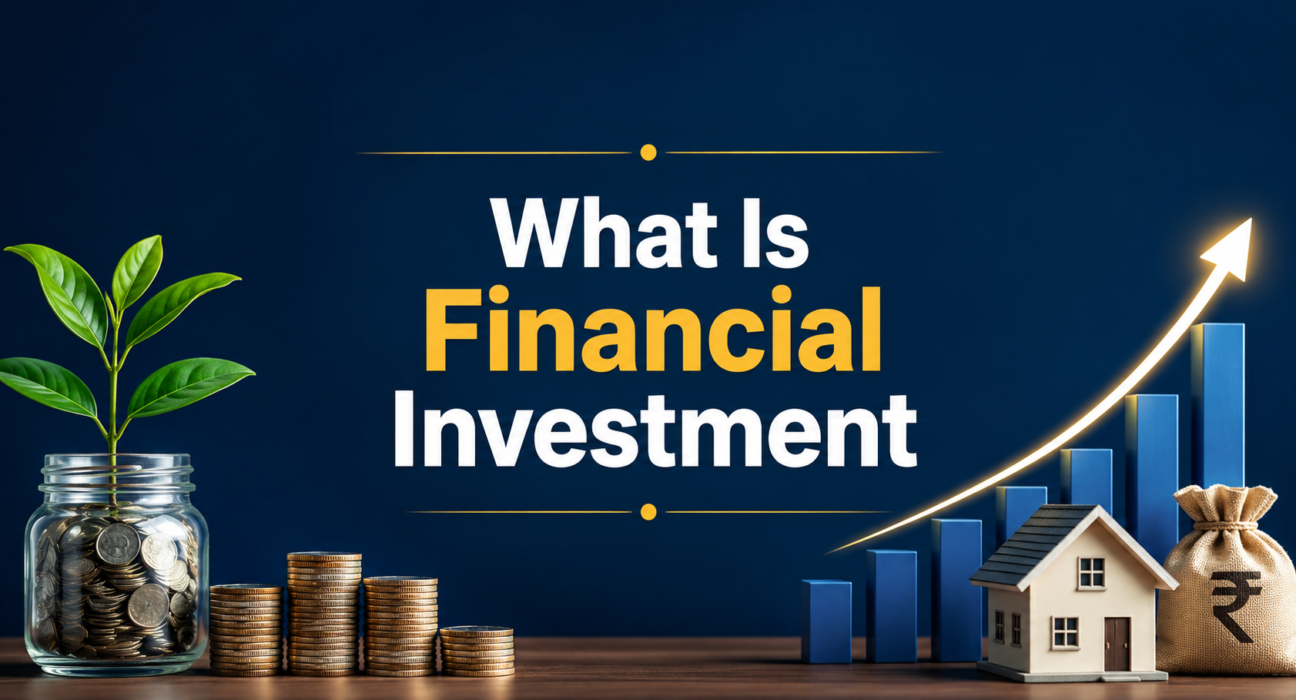
Financial investment is the process of putting your money to work in assets that have the potential to grow in value over time. Whether you’re just starting out or looking to refine your strategy, understanding the core principles of financial investment—types, benefits, risks, and proven strategies—is the foundation of long-term wealth creation. This guide covers everything you need to know to start investing with confidence.
Key Takeaways
- Financial investment means allocating money into assets to generate returns over time.
- Common types of financial investment include stocks, bonds, ETFs, mutual funds, and real estate.
- Compound interest is one of the most powerful forces in wealth building—starting early makes a significant difference.
- Every investment carries risk; understanding those risks helps you make smarter decisions.
- Smart investment strategies like diversification and dollar-cost averaging reduce risk without sacrificing growth.
What is Financial Investment?
Financial investment is the act of committing money or capital to an asset with the expectation of earning a financial return. Put simply, it’s making your money work for you rather than sitting idle.
Investments can take many forms—from buying shares in a company to purchasing property or contributing to a retirement account. The goal is always the same: grow your wealth over time.
According to Meriwest Credit Union, investing $100 a month at an average annual return of 7% could grow to over $76,000 in 30 years. That’s the power of compound interest—and it’s why starting early matters so much.
What are the Main Types of Financial Investment?
There are several major types of financial investment, each with its own risk profile and return potential.
| Investment Type | Risk Level | Potential Return | Best For |
| Stocks | High | High | Long-term growth seekers |
| Bonds | Low–Medium | Low–Medium | Conservative investors |
| ETFs | Low–Medium | Medium | Beginners, diversification |
| Mutual Funds | Medium | Medium | Hands-off investors |
| Real Estate | Medium | Medium–High | Income + appreciation |
| Cryptocurrency | Very High | Very High (or loss) | High-risk tolerance only |
Stocks (Equities)
Stocks represent ownership in a company. When the company grows, so does the value of your shares. Historically, the S&P 500—which tracks the 500 largest U.S. companies—has delivered average annual returns of around 7–10% over the long term.
Bonds (Fixed Income)
Bonds are loans you give to governments or corporations in exchange for regular interest payments. They are lower risk than stocks but typically offer lower returns.
ETFs (Exchange-Traded Funds)
ETFs are collections of stocks or bonds traded like individual stocks. They offer instant diversification at very low cost—expense ratios as low as 0.03–0.08%. Popular ETF options include S&P 500 ETFs like Vanguard’s VOO.
Mutual Funds
Mutual funds pool money from many investors to buy a diversified portfolio of assets. They are professionally managed, making them a good option for those who prefer a hands-off approach.
Real Estate
Real estate investment involves purchasing property to generate rental income or capital appreciation. It provides a tangible asset and can serve as a hedge against inflation.
What Are the Best Investment Options for Beginners?
Investment for beginners doesn’t have to be complicated. Here are the most beginner-friendly options:
- Micro-investing apps – Platforms like Acorns, Stash, and Robinhood let you start investing with just a few dollars by purchasing fractional shares.
- Robo-advisors – Services like Betterment and Wealthfront create and manage diversified portfolios for you. Fees typically range from 0.25–0.40% annually.
- Retirement accounts – A 401(k) or Roth IRA offers tax advantages that supercharge long-term growth. The 2025 IRA contribution limit is $7,000 for those under 50.
- ETF investing – Low fees, broad diversification, and easy access through platforms like Vanguard, Fidelity, or Schwab make ETFs ideal for new investors.
What Are the Key Benefits of Financial Investment?
Financial investment offers several compelling advantages:
- Wealth creation – Investing generates returns that accumulate significantly over time through compound growth.
- Passive income – Dividends from stocks and interest from bonds create income without additional effort.
- Inflation protection – Keeping money in a savings account often means losing purchasing power. Investments, especially equities, historically outpace inflation.
- Tax advantages – Retirement accounts like Roth IRAs and 401(k)s offer powerful tax benefits that accelerate wealth building.
- Financial freedom – A well-built portfolio gives you options—whether that’s retiring early, funding a business, or simply having a safety net.
What Are the Risks of Financial Investment?
Every financial investment carries risk. Understanding these risks is essential for making informed decisions.
- Market risk – The value of investments can fall due to economic downturns or market volatility.
- Inflation risk – If your returns don’t outpace inflation, you’re effectively losing purchasing power.
- Liquidity risk – Some assets, like real estate, can be difficult to sell quickly without taking a loss.
- Credit risk – Bonds carry the risk that the issuer defaults on payments.
- Interest rate risk – Rising interest rates can reduce the value of existing bonds.
- Currency risk – International investments are exposed to exchange rate fluctuations.
According to Investor.gov, risk refers to the degree of uncertainty and/or potential financial loss inherent in any investment decision. The key is not to avoid risk entirely—it’s to manage it wisely.
What Are the Smartest Investment Strategies for Growing Wealth?
Smart investment strategies reduce risk while maximizing your long-term returns. Here are the most effective approaches:
Diversification
Spread your money across different asset classes—stocks, bonds, real estate, and cash. This way, a loss in one area doesn’t wipe out your entire portfolio.
Dollar-Cost Averaging
Invest a fixed amount regularly, regardless of market conditions. This strategy smooths out market volatility and removes the temptation to “time the market.”
Keep Fees Low
High fees erode returns over time. Look for funds with expense ratios under 0.5% and commission-free brokers like Fidelity, Schwab, or Vanguard.
Start an Emergency Fund First
Before investing, build 3–6 months of living expenses in a savings account. This protects your investments during financial hardship, so you never have to sell at the wrong time.
Pay Off High-Interest Debt
Credit card debt at 15–20% interest rates effectively “returns” that rate when you pay it off. Eliminate high-interest debt before putting money into the market.
How Does Financial Investment Support Long-Term Financial Planning?
Financial planning and long-term investment go hand in hand. A clear financial plan answers three core questions: What am I investing for? How long do I have? How much risk can I tolerate?
Your goals will determine your strategy:
- Short-term goals (1–3 years): Bonds, high-yield savings, and low-risk ETFs
- Medium-term goals (3–10 years): Balanced mix of stocks and bonds
- Long-term goals (10+ years): Higher allocation to equities for maximum growth potential
The longer your investment horizon, the more risk you can afford to take—because markets have historically recovered from downturns given enough time.
Long-Term Investment Tips That Actually Work
These long-term investment habits separate successful investors from those who struggle:
- Start as early as possible – Time in the market beats timing the market.
- Automate your contributions – Set up automatic transfers so investing becomes a habit, not a decision.
- Reinvest dividends – Reinvesting dividends compounds your growth significantly over time.
- Stay the course during volatility – Market dips are normal. Selling in a panic locks in losses.
- Review your portfolio annually – Rebalance once a year to ensure your asset allocation still matches your goals.
- Keep learning – Resources like Investopedia, Fidelity’s learning center, and books like The Simple Path to Wealth by JL Collins provide excellent, ongoing education.
Start Building Your Wealth Today
Financial investment is not a privilege reserved for the wealthy—it’s a practical tool available to anyone willing to take that first step. The mechanics are straightforward: choose the right assets, manage your risk, stay consistent, and give your money time to grow.
The hardest part is simply starting. Open a low-cost brokerage account, contribute what you can, and build the habit from there. Over time, small and consistent actions compound into meaningful wealth creation. Your future self will thank you for it.
Frequently Asked Questions
What is financial investment in simple terms?
Financial investment is putting your money into assets—like stocks, bonds, or property—with the expectation that those assets will grow in value or generate income over time. The goal is to build wealth rather than simply saving.
What is the safest type of financial investment for beginners?
Government bonds, ETFs, and robo-advisor portfolios are generally considered low-risk entry points for beginners. They offer diversification and professional management without requiring deep financial knowledge.
How much money do I need to start investing?
You can start with as little as a few dollars using micro-investing apps like Acorns or Robinhood, which allow fractional share purchases. Many robo-advisors, like Betterment, have a $0 minimum to open an account.
What is the difference between saving and investing?
Saving means storing money in a low-risk account (like a savings account) with minimal returns. Investing involves putting money into assets that carry some level of risk in exchange for the potential of higher returns. Saving protects money; investing grows it.
How do I reduce risk in my investment portfolio?
The most effective way to reduce risk is through diversification—spreading investments across different asset classes, sectors, and geographies. Using dollar-cost averaging (investing regularly regardless of market conditions) also reduces the impact of market volatility.
Is investing in stocks better than real estate?
It depends on your goals and resources. Stocks are more liquid and accessible, with lower entry costs. Real estate provides tangible assets and rental income but requires more capital and management. Both can play a role in a well-rounded investment strategy.
When should I start investing?
The best time to start financial investment is as early as possible. The earlier you invest, the more time compound interest has to work. Even small, consistent contributions made in your 20s can outperform larger contributions made later in life.